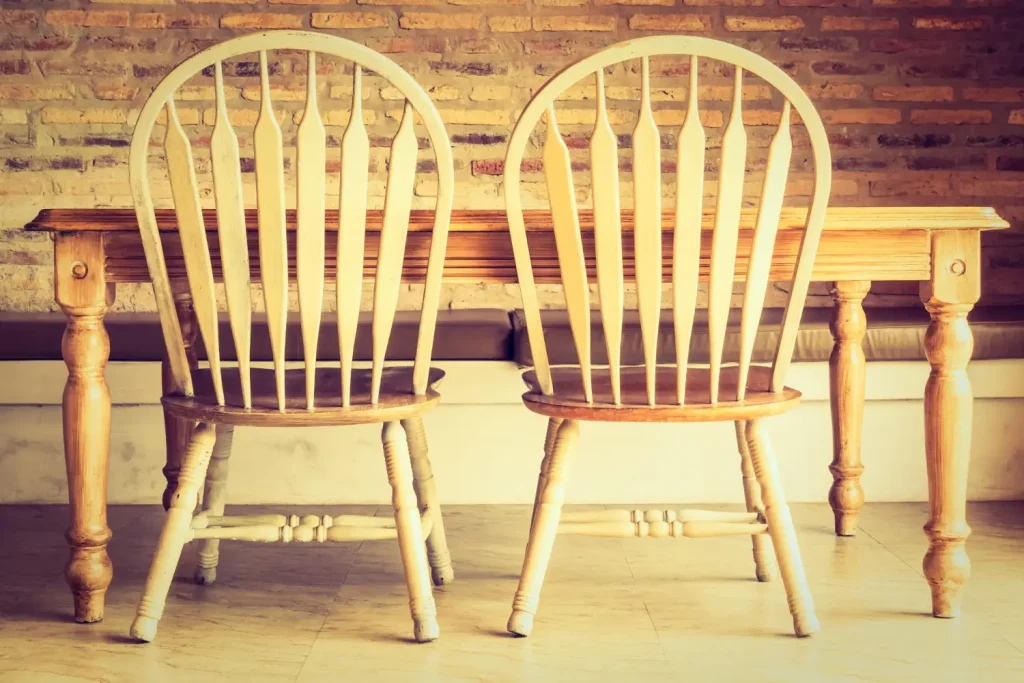
Upcycled furniture occupies an interesting position in contemporary interior design. What began as a budget practice, repurposing old furniture out of necessity, has evolved into a design strategy embraced by interior designers, sustainability advocates, and makers who prize the one-of-a-kind quality that upcycled pieces inherently possess. A well-executed furniture upcycle doesn’t look thrifty. It looks intentional, distinctive, and often superior to what you could buy new at the same price point.
The difference between furniture upcycling that works and furniture upcycling that produces a sad painted dresser comes down to process: choosing the right piece, preparing it correctly, and applying the right finish with skill. That’s what this guide covers.
What Is the Difference Between Upcycling and Repurposing Furniture?
Worth clarifying, because the terms are often used interchangeably but mean different things. Upcycling furniture means taking an existing piece and improving or transforming it, typically through refinishing, painting, reupholstering, or altering its hardware. The piece remains what it was, just improved.
Repurposing furniture (or repurposed furniture) means giving a piece a fundamentally different function. An old dresser becomes a bathroom vanity. A wooden pallet becomes a shelving unit. A door becomes a headboard. The piece is structurally repurposed rather than cosmetically transformed.
Both are legitimate and valuable approaches. The choice depends on the piece, its condition, and what you actually need.
How Do You Choose the Right Piece to Upcycle?
This is where most failed upcycling projects start: with the wrong piece. A few principles for evaluating potential candidates:
Solid Construction Over Style
The best pieces to upcycle are structurally sound but aesthetically dated. Furniture made from solid wood jointed with traditional techniques: mortise and tenon, dovetail drawers, dowel construction, will last decades more with refinishing. Furniture made from particle board or MDF with decorative veneers is harder to refinish successfully and less durable under any treatment.
The most valuable finds at thrift stores, estate sales, and secondhand markets are often mid-century pieces from the 1950s-70s that are sturdy as tanks but wear finishes that were fashionable then and aren’t now.
Condition Assessment
Surface damage is fine. Scratches, watermarks, and worn finish are exactly the things upcycling addresses. Structural damage is a different matter: loose joints that haven’t been repaired, warped drawer fronts, missing veneer on curved surfaces, significant rot. These conditions require either significant skill to address or represent pieces not worth the investment.
Check drawers by pulling them fully out and looking at the construction. Dovetail joints (the distinctive interlocking wedge pattern) indicate quality joinery and older craftsmanship. Staples and thin particleboard indicate modern flat-pack construction.
Furniture Upcycling: The Core Process
Step 1: Cleaning and Stripping
The preparation phase is responsible for more upcycling failures than the finishing phase. Paint applied to a surface that hasn’t been properly cleaned and prepared won’t bond correctly and will chip, peel, and look amateurish within months.
Clean the entire piece with a degreaser or TSP substitute. Remove hardware. If painting over an existing finish without full stripping, scuff-sand with 120-grit to give the primer something to bond to. If stripping back to bare wood, chemical stripper followed by thorough sanding in the direction of the grain, moving progressively from 80-grit to 150-grit, produces the cleanest base.
Step 2: Repairs
Fill any holes or gouges with wood filler, allow to dry completely, and sand flush. Tighten loose joints with wood glue and clamps. Replace broken hardware. None of these repairs needs to be invisible at this stage. They need to be solid.
Step 3: Priming
Primer is not optional. A quality bonding primer, especially for furniture previously finished with lacquer or shellac, is what makes the topcoat adhere durably. For chalk paint specifically, some formulations claim primer isn’t needed; in practice, a primer still improves adhesion and coverage on slick surfaces.
Step 4: Painting or Refinishing
Two approaches dominate furniture painting: brush/roller application and spray application. Brush and roller is more accessible but requires more passes and sanding between coats to achieve a smooth surface. Spray application, using an HVLP sprayer or aerosol, produces a more factory-quality finish with practice.
The finish choice matters enormously. Chalk paint produces a matte, porous finish that requires waxing or a clear topcoat to protect it. Milk paint produces a similar matte finish with more authentic historical character. Furniture-specific latex or oil-based paints in eggshell or satin finish are more durable and typically require fewer topcoats than chalk paint.
Upcycled Furniture Ideas: What Pieces Lend Themselves Best
- Dressers and chests of drawers: large surface area, high paint impact, drawers easy to change hardware on
- Dining chairs: reupholstered seats plus a painted frame completely transform the piece
- Bookshelves: a contrasting interior color on the back panel is a simple, high-impact change
- Bedside tables: small enough for a first project, visible enough to matter
- Console tables: often found in ugly finishes but with great solid-wood bones
For creative project ideas that extend beyond standard furniture pieces into craft and gift applications, see this guide on DIY handmade gift ideas which shares material and technique overlap with furniture upcycling.
How to Repurpose Old Furniture: Specific Project Ideas
- Old dresser to bathroom vanity: requires plumbing work but produces a genuinely distinctive result. The drawers on one side continue to function; the other side is cut for the sink basin.
- Wooden ladder to blanket or towel rack: seal and mount horizontally or lean against the wall. Zero modification required.
- Old window frames to picture frames or mirrors: the divided panes create a natural multi-frame or mirror panel without cutting.
- Vintage suitcases to side tables: stacked with a piece of glass on top, or mounted to a wall as display shelving.
- Door to headboard: a solid-core door, finished and mounted to the wall, creates a headboard with architectural scale that most bought headboards don’t achieve.
Repurposed and upcycled pieces often work especially well in compact rooms where custom sizing matters. See how space-efficient storage solutions translate in this guide on small bedroom ideas and storage layouts.
Upcycling Vintage Furniture: The Case for Older Pieces
Vintage furniture made before approximately 1980 was typically constructed to different standards than most contemporary mass-produced furniture. The wood species used, solid oak, walnut, teak, and mahogany, and the joinery techniques applied produce pieces that will outlast many new purchases by decades.
According to the Ellen MacArthur Foundation’s work on circular economy principles, extending the life of a product by just nine months reduces its carbon, water, and waste footprint by 20-30%. Furniture upcycling is one of the most direct residential applications of this principle.
Beyond sustainability, there’s a quality argument. A solid teak Danish credenza from 1965, refinished, is structurally superior to most credenzas available at furniture retailers today at the same price point. The upcycling work is the labor; the material quality is the underlying value.
The Bigger Picture
Furniture upcycling at its best is not a budget compromise. It’s a quality choice. The pieces that come out of a skilled upcycle have provenance, material quality, and specificity that new furniture at equivalent cost rarely matches.
The skill level required is real but learnable. The preparation steps are the ones most people skip and the ones most responsible for failures. Invest the preparation time and the results are reliably good. Skip it and the paint will peel by next spring.
Start with a small, low-stakes piece. An old side table or a simple bookshelf. Build the process and the confidence before moving on to a larger project. The failures you learn from on a $30 thrift-store find are a lot less painful than the ones on the dining table you loved.